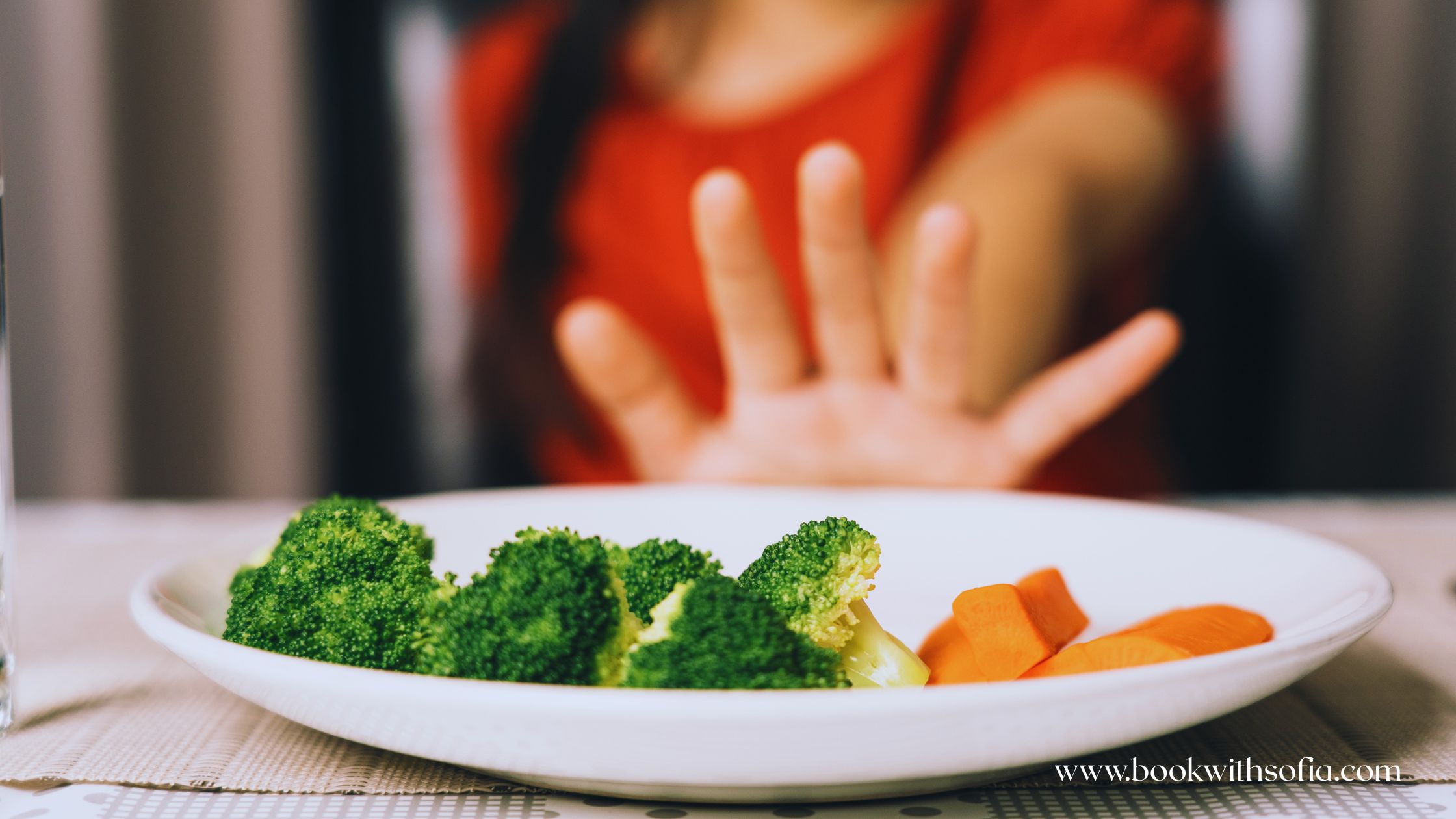
One of the biggest concerns parents share with me before planning an overseas vacation isn’t the flight, the jet lag, or even the time difference.
It’s food.
“What if my child won’t eat?”
As a Certified Autism Travel Professional (CATP) and the mother of two autistic boys, I understand that concern all too well.
Like many autistic children, both of my boys have experienced challenges around food, although in very different ways. My oldest has always had a limited list of foods he feels comfortable eating. My youngest happily ate a wide variety of foods when he was younger, but as he grew older, his preferences became much narrower. Whether it was sensory differences, autism, or simply how he developed, familiar foods became increasingly important to him.
Over the years, I’ve learned that helping a child become comfortable with food doesn’t begin a week before your vacation.
It begins months—even years—before you board the plane.
If you’re hoping to travel with less stress around mealtimes, these are the strategies that have helped our family.

Why Many Autistic Children Are Picky Eaters
Every autistic child is unique, but there are several common reasons why eating can be challenging.
1. Sensory Sensitivities
Many autistic children experience food differently from neurotypical children.
The texture, smell, temperature, appearance, or even foods touching each other on the plate can make a meal feel overwhelming.
A food that seems perfectly normal to us may feel unbearable to them.
2. Love of Predictability
Many autistic children find comfort in routines.
Eating familiar foods provides a sense of safety because they know exactly what to expect.
Trying something unfamiliar—especially while traveling—can create anxiety.
3. Physical Discomfort
Some autistic children also experience reflux, constipation, stomach discomfort, or oral motor challenges that make eating physically uncomfortable.
When eating causes pain, avoiding food becomes understandable.
What I Learned About Eating
One lesson completely changed how I approached food with my children.
Eating doesn’t begin with eating.
It begins with becoming comfortable around food.
Before a child is ready to swallow a new food, they often need to see it, smell it, touch it, prepare it, and interact with it.
That realization introduced me to the Food Ladder.
The Food Ladder
The Food Ladder, often used by occupational therapists and feeding specialists, introduces new foods one small step at a time.
Rather than expecting a child to eat immediately, the goal is gradual exposure.
The steps include:
- Looking at the food.
- Having it nearby.
- Touching it.
- Smelling it.
- Kissing or licking it.
- Taking a tiny bite.
- Swallowing a small amount.
Every step is progress.
For some children, simply touching a new food is a huge achievement.
So take the pressure off having them “take one bite.” Continue finding creative ways to introduce foods into everyday life, and allow your child to build confidence at their own pace.
15 Practical Tips to Prepare Picky Eaters for Travel
1. Start Early
Preparing your child for travel starts months before your vacation—not the week before you leave.
If your child is already receiving therapy, share your travel plans with their therapy team. They may be able to incorporate travel-related goals, such as food exploration and flexibility, into their sessions. In our family, our OT and ABA therapists were wonderful partners in helping us prepare for travel.
2. Use the Food Ladder
The Food Ladder is a systematic, step-by-step approach that helps build your child’s confidence around food. Rather than expecting them to eat something new straight away, it encourages small, manageable interactions with food first.
It doesn’t always unfold exactly as the ladder suggests. Sometimes a child may skip several steps because they’re naturally curious or immediately like a particular food. Other times, they may spend weeks or even months on a single step.
3. Invite Your Child to Help with Food Preparation.
Invite your child to wash vegetables, rinse fruit, stir ingredients, or help prepare simple meals. Every interaction with food—even if they don’t eat it—is progress.
4. Buy Food You’d Actually Like Them to Enjoy
Years ago, I bought cheaper foods just for exposure.
Eventually, my children tried them, but the quality wasn’t very good. This created a negative experience, and I had to restart the process all over again.
Now I’d rather offer fewer opportunities with foods I genuinely hope they’ll enjoy.
5. Create a Color of the Month
Introducing new foods to an autistic child or picky eater takes time, consistency, and creativity—something many busy parents struggle to fit into an already full schedule.
One simple strategy that worked well for our family was creating a Color of the Month.
Assign a color to each month. For example:
- January: White (food could be vanilla ice-cream, vanilla yoghurt, white bread etc)
- February: Red (red apple, tomatoes, ketchup etc)
- March: Green (green apple, green bean, etc)
Each week, choose one or two foods that match that month’s color and gently introduce them to your child using the Food Ladder method or incoporate into your daily routine such as washing the food or helping prepare it.
The following week, repeat the process by choosing one or two different foods in the same color.
6. Make Food Collages
This is a fun family activity. Cut pictures from grocery flyers or magazines and turn it into poster, collage, vision part …
While at it, you can have a food conversation with your child, such as where it came from, how it is prepared, etc.
7. Read Books About Food
Reading books about food can sometimes encourage a child to become more interested in trying new foods.
Books introduce food in a safe and predictable way, without the pressure of having to touch, smell, or taste it. For many autistic children, learning about where food comes from, how it’s grown, or how it’s prepared can make unfamiliar foods feel a little less intimidating.
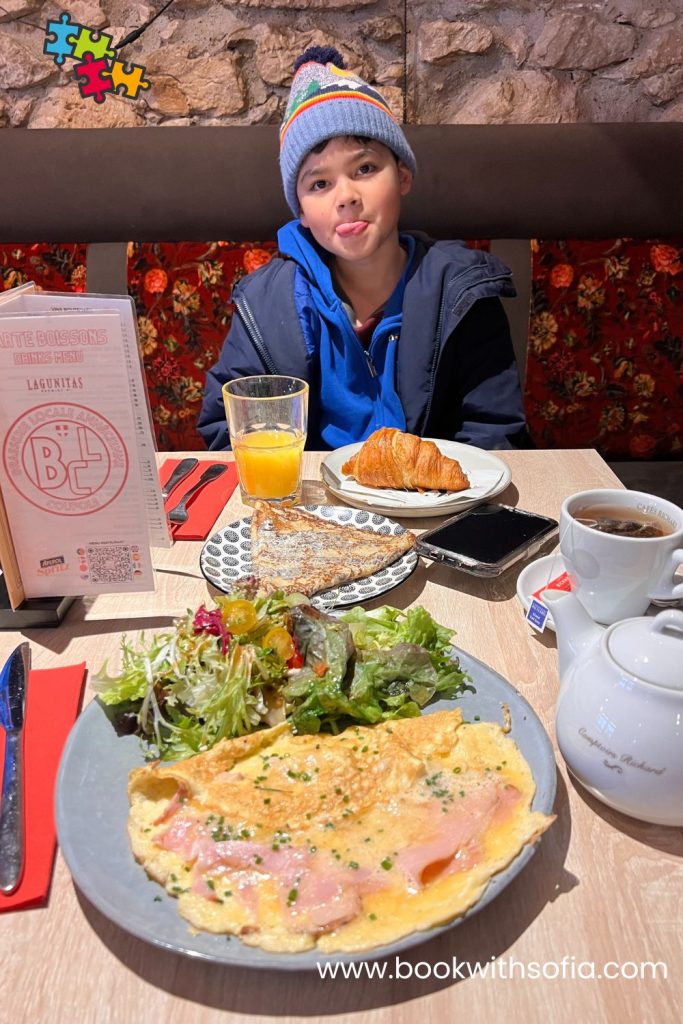
If you’re planning a trip, choose books about your destination’s local cuisine or food culture. By the time your child sees a croissant in France or fresh pasta in Italy, it may already feel familiar because they’ve seen it before in a book.
8. Visit Small Food Courts
Food courts are a wonderful place to introduce your child to a variety of foods, aromas, and cooking styles—all in one location.
If your child is easily overwhelmed by noise or crowds, start with a smaller food court. This gives them the opportunity to observe different foods, watch meals being prepared, and see what other people are eating without feeling pressured to try anything themselves.
Food courts can also be surprisingly relaxing for parents. Instead of constantly encouraging your child to “just take one bite,” you can simply enjoy your own meal while your child watches the world around them. Seeing other people eat and enjoy different foods can naturally spark curiosity without placing any demands or expectations on your child.
9. Try Costco Samples
One thing I love about Costco food samples is that my child gets to try a new food before I commit to buying a whole package.
If they like it, I can confidently purchase it knowing it won’t go to waste. If they don’t, that’s okay—we’ve still created another opportunity for exposure without ending up with a full bag of untouched food at home.
10. Visit Farmers Markets
Unlike a supermarket or even a food court, a farmers’ market offers a completely different sensory experience.
Fresh fruits and vegetables are beautifully displayed in vibrant colors. You’ll smell freshly baked bread, herbs, flowers, seafood, and seasonal produce. Vendors greet customers, people sample local products, and there’s often music and lively conversation in the background.
For some autistic children, this can feel overwhelming at first. That’s why it’s important to start small. Visit for 15 or 20 minutes, let your child explore at their own pace, and gradually increase the length of your visits over time.
A farmers’ market is about more than introducing new foods. It’s an opportunity to practice navigating crowds, managing noise, experiencing different smells, and becoming comfortable in a busy environment—all skills that can make traveling feel less overwhelming.
11. Attend Food Festivals
Food festivals offer a different kind of food experience. Instead of focusing on eating, they give your child the opportunity to see how familiar ingredients can be prepared in different ways.
I like to think of this as lateral exposure—introducing familiar foods in unfamiliar ways.
For example, your child may already eat beef at home, but at a food festival they might see it served as a hearty goulash, slow-cooked barbecue, or grilled on skewers. Chicken may be roasted, wrapped in a tortilla, or cooked over an open flame. It’s the same food, just presented differently.
Will it spark your child’s curiosity to try something new? Maybe. Maybe not. But every experience adds to their understanding that food can look different while still being made from ingredients they already know.
12. Take a Family Cooking Class
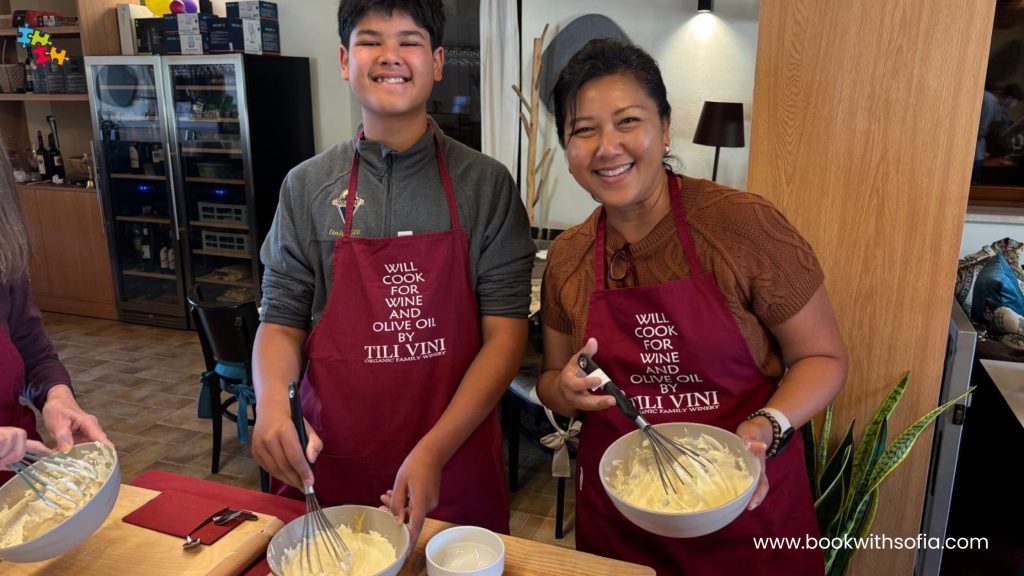
A family cooking class can be another fun experience to enjoy together while gently introducing your child to new foods.
Cooking classes offer plenty of opportunities to interact with food without the expectation of eating it. Your child might knead dough, whisk batter, decorate cookies, stir a sauce, or sprinkle herbs on a finished dish. Every interaction is another opportunity to become more familiar with food through touch, smell, sight, and even sound.
Since many autistic children experience sensory processing differences, your child may tolerate the experience, enjoy it, or decide it’s not for them—and that’s okay. Every child responds differently, and there is no right or wrong outcome. Simply participating is a positive step.
Here’s my tip to make it a more pleasant experience: If your child is just beginning their food journey, start with activities that focus on touching and smelling ingredients first. As they become more comfortable, a cooking class may feel like a natural next step rather than an overwhelming experience.
13. Visit an International Grocery Store
One way to make unfamiliar foods feel more familiar is to introduce them before you travel.
If you’re planning a trip overseas, visit an international grocery store that specializes in the cuisine of your destination. For example, if you’re traveling to Asia, you might visit a 99 Ranch Market. If you’re visiting Europe, look for a European or Italian specialty market. Planning a trip to Latin America? Explore a Latin American grocery store together.
Walking through the aisles gives your child the opportunity to see unfamiliar fruits, vegetables, snacks, drinks, and packaging in a relaxed environment. There is no expectation to buy or taste anything. Simply becoming familiar with what they might see on vacation can make the experience feel less intimidating.
14. Watch Travel Food Shows Together
One of the easiest ways to introduce your child to different foods and cultures is from the comfort of your own home.
Travel food shows and documentaries allow your child to experience new cuisines without any pressure to taste them. They’ll see how food is prepared, learn about local traditions, and watch people enjoying meals from around the world.
If you’re planning a trip, look for shows featuring your destination. Watching a series such as Stanley Tucci: Searching for Italy or travel documentaries on National Geographic can be the closest thing to a food tour before your vacation begins. Beautiful cinematography and storytelling can spark curiosity about a destination—and perhaps even the food itself.
15. Create a Travel Safe Foods List
Here’s the reality.
Despite all your preparation, your child may still order their “usual.”
For my boys, that’s often pizza with pepperoni, a plain burger with just the bun and meat, or pasta with butter.
And you know what?
That’s okay.
You’re on vacation.
Travel introduces so many new experiences—different sights, sounds, smells, routines, languages, time zones, and environments.
Sometimes, familiar food is what helps an autistic child feel safe and regulated.
As parents, we have to choose our battles. Ask yourself, “What is non-negotiable, and what can I let go?” If eating familiar foods helps your child enjoy the trip, that may be the right choice for your family.
If you’re traveling somewhere that may not offer your child’s preferred foods, plan ahead. Pack a few familiar shelf-stable favorites, such as instant noodles, macaroni and cheese cups, oatmeal, or other foods your child reliably eats. When possible, book accommodation with a microwave, kitchenette, or at least a kettle so you have a simple way to prepare those meals.
Those familiar foods don’t have to be the entire vacation.
They simply provide a bridge until your child feels comfortable enough to explore something new—or until you find a restaurant that serves one of their trusted favorites.
How to Motivate a Child to Eat
If you’re looking for the magic answer…
I don’t have one.
After years of raising two autistic boys, working with therapists, reading books, and trying different strategies, I’ve come to one conclusion:
You can encourage. You can model. You can create opportunities. But you can’t force someone to enjoy food before they’re ready.
I also learned that encouraging your child to eat is a long-term investment with no guarantee that a child will eat the food you want them to eat.
So I focused on what’s within my control. I continue encouraging my children to try new food, create opportunities to explore food, using the strategies I shared earlier.
Then I leave it to nature to run its course … Because ultimately, it’s up to the them to make it happen.
I also have stopped relying on food rewards such as, “Take one bite and you’ll get a cookie.”
For our family, I wanted my children to build a healthy relationship with food rather than associating eating with earning a reward.
Instead, I became curious.
“Is it crunchy?”
“Does it smell sweet?”
“What color do you notice?”
Those conversations felt more natural and far less stressful than trying to convince them to take another bite.
Another approach I still use from time to time is blending vegetables into sauces. I’ve also read thoughtful discussions from autistic adults who explain why hidden foods can feel like a breach of trust, and I respect that perspective. Every family is different, and parents make the decisions they believe are right for their child.
When it comes to traveling, I’ve adopted what I call the 80/20 Rule.
For about 80% of our meals, I’m perfectly happy for my children to order their familiar favorites—pizza, buttered pasta, chicken nuggets, or a plain burger. Those foods give them comfort in an environment that is already full of new sights, sounds, smells, and experiences.
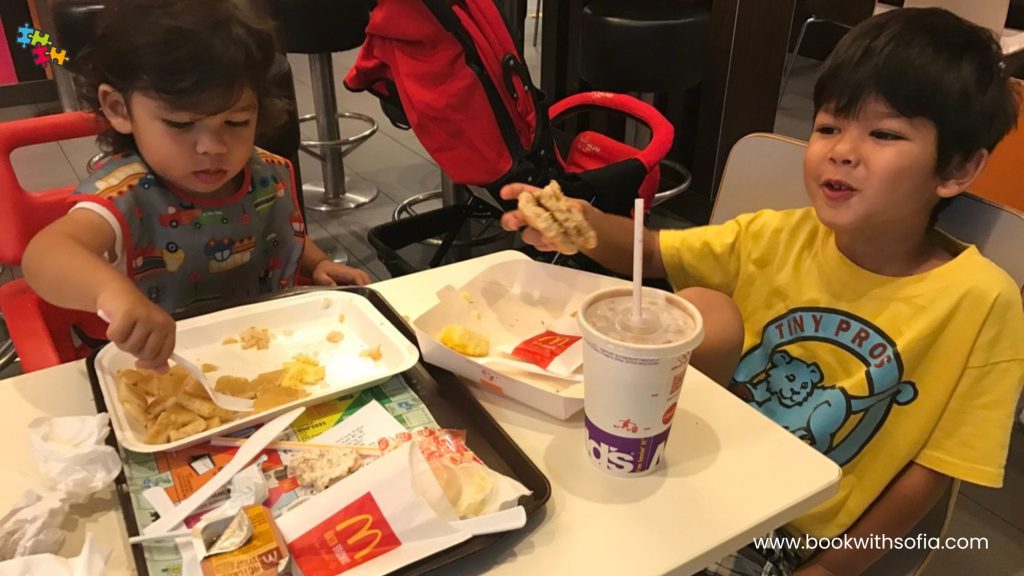
For the remaining 20%, I choose a restaurant or local specialty that I’d really like to experience. After all, I’m on vacation too, and I want to enjoy the local food and culture.
I know this isn’t always easy. Every autistic child has a different level of flexibility, sensory tolerance, and resilience.
I strive for balance that respects my children’s needs while allowing the whole family to enjoy the vacation.
Lastly, when I’m traveling with my picky eaters, I seriously consider an all-inclusive resort or hotels that offer buffet-style dining.
Because buffets give everyone choices.
My children can stick to the familiar foods they enjoy, while I can explore the local cuisine without having to visit multiple restaurants just to satisfy everyone’s palate.
Final Thoughts
Expanding your child’s palate is a journey, not a race.
As parents, it’s easy to feel pressure when we compare our children to others or worry about what they’ll eat on vacation. But I’ve learned that food preferences can change over time—sometimes in ways we never expect.
Here’s some food for thought.
When I was younger, I couldn’t stand garnishes. If parsley floated on my soup, I would pick it out immediately. I hated onions, tomatoes, and cucumbers. I remember telling myself, “When I grow up, I’m never putting those in my food.”
Well… guess what?
Today, I can’t imagine cooking without garlic. Onions are one of my favorite ingredients because they add so much flavor, whether I’m making dinner or topping a burger.
Tomatoes were a different story. I didn’t really enjoy them until I moved to California in my 40s. My late mother-in-law grew tomatoes in her backyard, and tasting one fresh off the vine completely changed my opinion. They were sweet, juicy, and nothing like the tomatoes I had grown up eating.
Cucumbers took even longer. I wanted to lose weight, so I started looking for healthier snacks. Little by little, cucumbers became one of my go-to choices. Today, they’re something I genuinely enjoy.
If it took me more than 40 years to appreciate cucumbers, I don’t expect my autistic children to enjoy a new food according to someone else’s timeline.
Every child moves at their own pace.
Celebrate the small wins. Smelling a new food is progress. Touching it is progress. Helping prepare it is progress. One tiny step today may become a favorite meal years from now.
I’d love to hear your thoughts. Have your own food preferences changed over the years? Or has your child surprised you by suddenly enjoying a food they once refused?
Until next time,
Safe travels,
Sofia