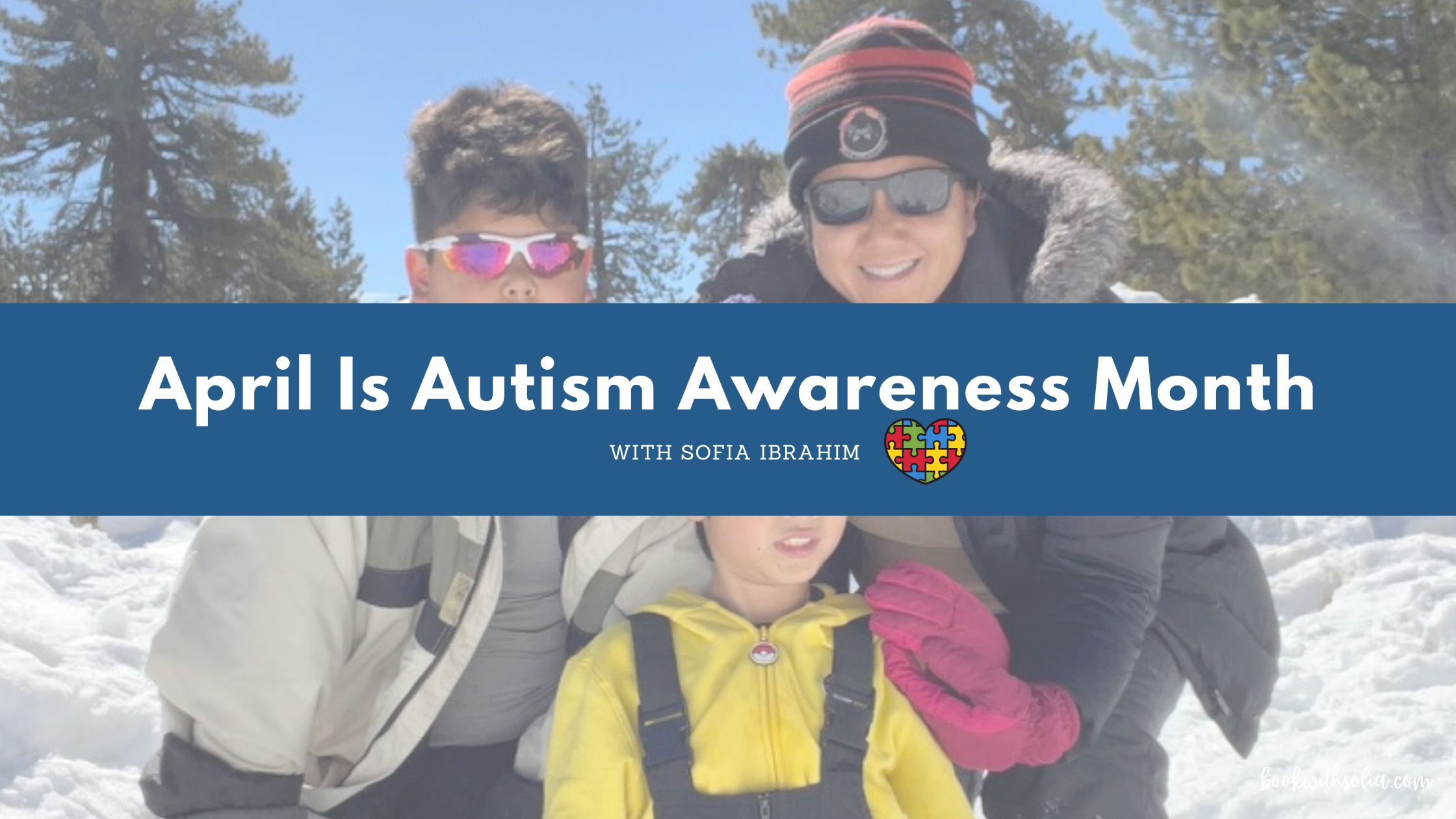
April is Autism Awareness Month
I am dedicating this month to helping parents, caregivers, and families with neurodivergent children travel.
But before I dive into that, let me share my story so that what comes next makes more sense to you.
I didn’t know what “neurodivergent” or “autism” meant until my children had them. It was difficult to conceptualize what it looked like living with someone who, in many ways, looked like any other child yet carried the label of autism.
Initially, I found myself misled by various pieces of information, all because, as a parent, I simply wanted the best for my children. Uncertainty can be overwhelming, and it creates a lot of anxiety. But over time, I learned some important truths that helped me navigate this journey with more clarity and understanding.
What I’ve Learned About Autism
Autism Spectrum Disorder (ASD) is a neurodevelopmental condition that affects a person’s ability to communicate, interact socially, and interpret the world around them. It’s important to remember that each individual with ASD is unique, so symptoms and behaviors can vary widely.
Key Characteristics:
-
Social Communication Difficulties: Challenges with understanding and using social cues, difficulty maintaining eye contact, and a reduced interest in social interactions.
-
Repetitive Behaviors and Interests: This may include insistence on routines, repetitive movements or speech, and narrow and intense interests.
-
Sensory Sensitivities: Some individuals may experience over- or under-sensitivity to sounds, light, touch, or other sensory inputs.
Symptoms May Vary Widely:
-
Some individuals may have significant intellectual disabilities, while others may be highly intelligent.
-
Some may be nonverbal, while others may possess complex language skills.
-
Symptoms can emerge early in childhood, but in some cases, they may not be fully apparent until later in life.
Causes:
The exact causes of ASD are still unknown, though it is believed to be a combination of genetic and environmental factors. While research is ongoing, there is still much to understand about how various factors contribute to ASD.
Diagnosis:
ASD is typically diagnosed through a comprehensive evaluation by a qualified professional, such as a developmental pediatrician or psychiatrist. This process helps create a clearer picture of the individual’s strengths and challenges.
Treatment and Support:
Although there is no cure for ASD, many interventions and supports can help individuals manage their symptoms and live fulfilling lives. Some common approaches include:
-
Behavioral Therapy
-
Educational Support
-
Assistive Technologies
-
Family Counseling
It’s essential to remember that while ASD is a lifelong condition, with the right support and understanding, individuals can achieve their potential and lead happy, fulfilling lives.
Neurodiversity: A Broader Perspective
Neurodiversity refers to the idea that there is natural variation in how human brains function and process information. It celebrates the uniqueness and diversity of neurological experiences, recognizing that not all brains work in the same way.
Key Aspects of Neurodiversity:
-
Variability: Neurodiversity acknowledges that people have different cognitive abilities, learning styles, and ways of interacting with the world.
-
Inclusion: It promotes the idea that neurodivergence is a natural part of human experience and should be celebrated, not stigmatized.
-
Strengths and Challenges: Neurodiversity recognizes that individuals with neurodivergence may have both strengths and challenges that stem from their unique brain wiring.
-
Respect: This concept emphasizes the importance of respecting and understanding the experiences of people with neurodivergence, rather than viewing them as deficits or disabilities.
Examples of Neurodivergence:
-
Autism Spectrum Disorder (ASD)
-
Attention-Deficit/Hyperactivity Disorder (ADHD)
-
Dyslexia
-
Dyspraxia
-
Tourette’s Syndrome
-
Dyscalculia
The Importance of Neurodiversity:
Neurodiversity highlights the value of different perspectives and abilities, promoting a more inclusive and understanding society. It encourages the recognition that neurodivergence is not a defect but a natural variation that enriches the human experience. By embracing neurodiversity, we foster an environment where everyone’s unique contributions are valued.
Conclusion:
As I reflect on the journey of understanding autism and neurodiversity, I realize that this is just the beginning. For parents and caregivers, embracing these differences can be life-changing, but it often comes with challenges, especially when it comes to something as complex as travel.
In the coming weeks, I’ll share tips, resources, and practical advice to help families with neurodivergent children make the travel experience smoother and more enjoyable. Travel doesn’t have to be stressful or overwhelming—it can be a wonderful opportunity for growth, connection, and learning.
I hope that through this series, you’ll find support, encouragement, and confidence as you plan your trips. Every family’s needs are different, and my goal is to offer helpful insights tailored to making your journey more accessible and inclusive. Together, we can create experiences that celebrate the beauty of neurodiversity, ensuring that travel is not just a destination but an enriching adventure for everyone.
Stay tuned for more posts, and let’s take this journey together!